Padel is full of charming contradictions. From the outside, it looks effortless. Four people. One yellow ball. A glass court. You laugh, play the ball off the walls, apologize for the lucky net cord, and grab a coffee together after the match.

From the inside, though, padel is surprisingly demanding. It’s a sport built on constant changes of direction, explosive reactions, and a body that moves continuously between sprinting, stopping, and accelerating. Anyone who’s played a long rally knows the feeling: it may look easy, but every muscle is putting in overtime. Maybe that’s one of the biggest misconceptions about padel.

Many people think you only get better on the court. In reality, progress often begins where no ball is flying.

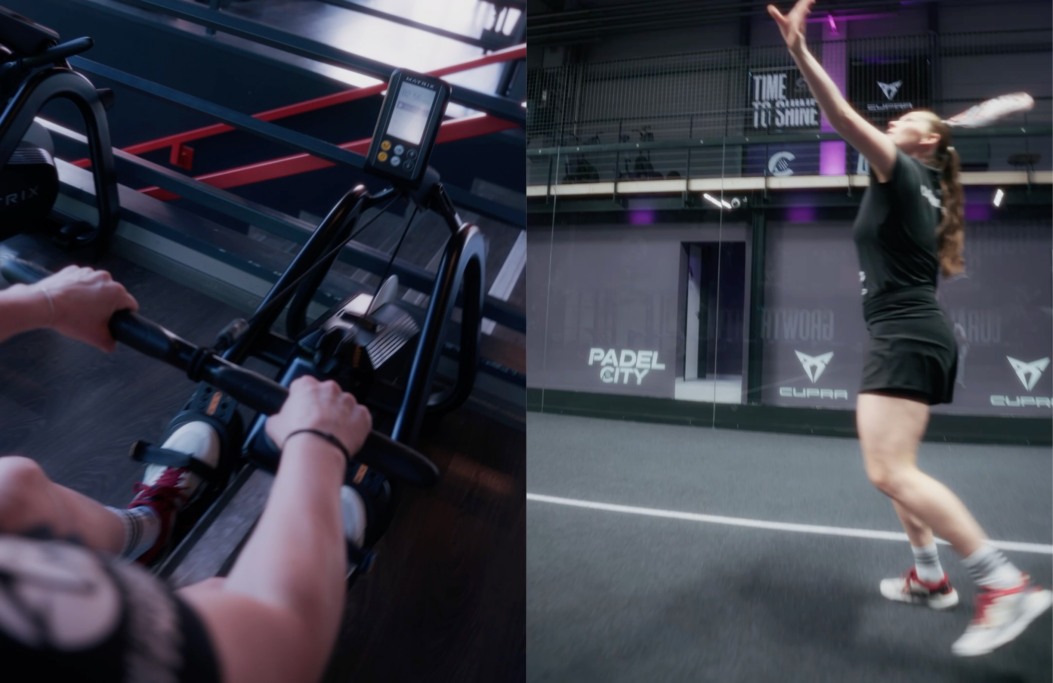
It starts with stronger legs that power the next lunge. A stronger core that gives every smash more stability. Time on the bike that prepares you for the deciding third set. Or a mobility session that keeps you from walking like you accidentally carried a wardrobe the next morning.

Padel isn’t a sport that thrives on talent alone.

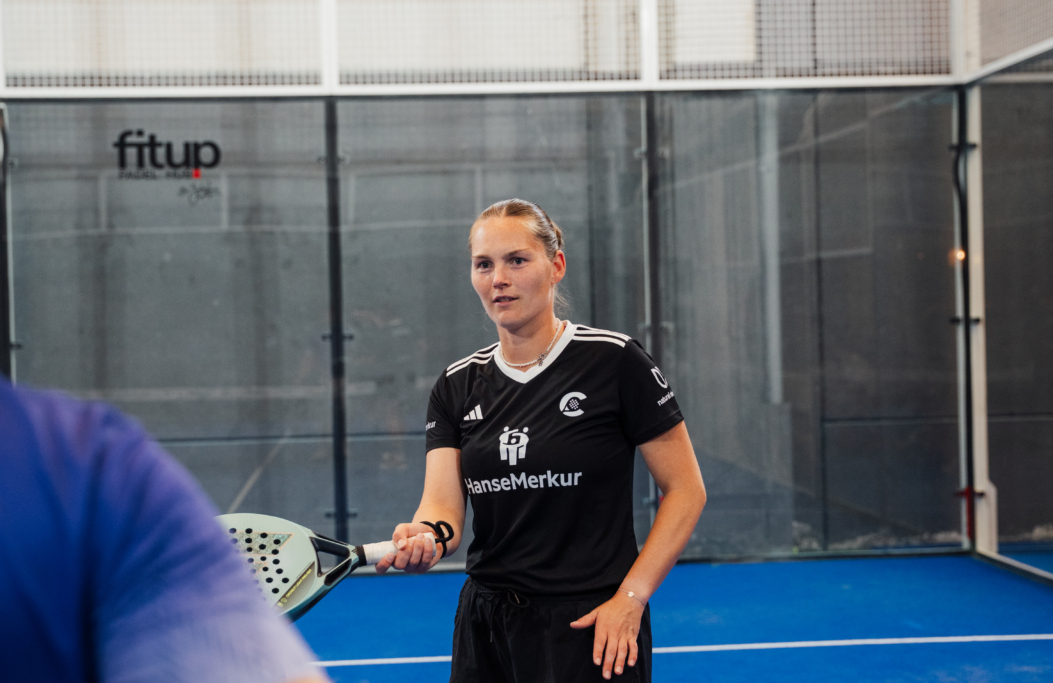
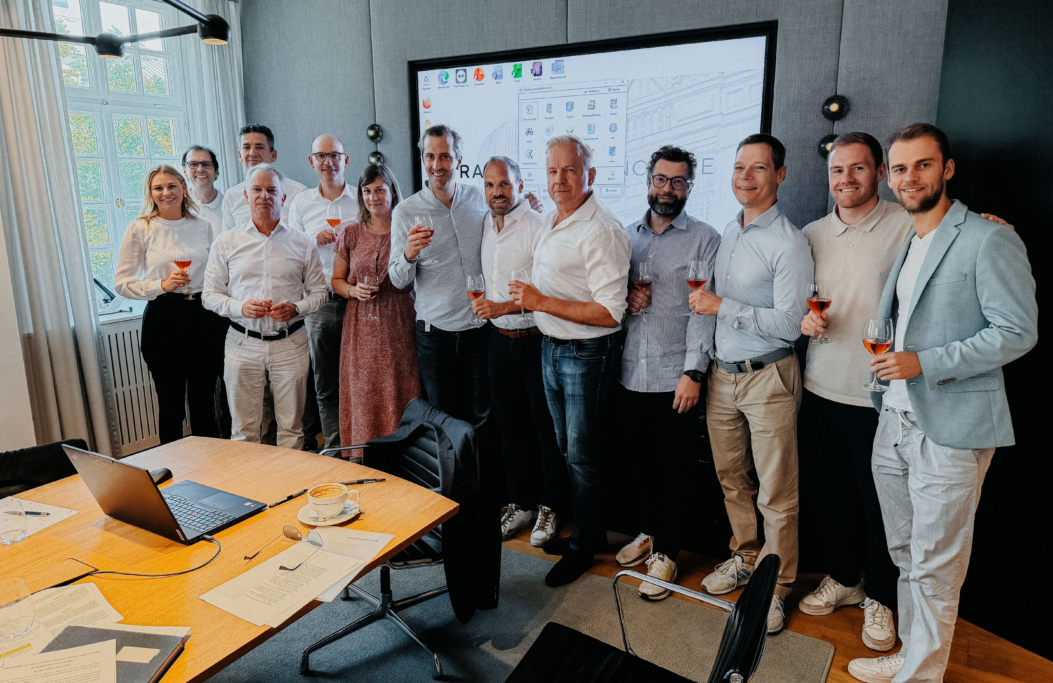
It’s a sport that rewards the care you give your body away from the court. That’s exactly why we’re excited about our partnership with all inclusive Fitness.

Not because there’s another logo to display. But because two worlds that naturally belong together have finally met. Padel is driven by movement. Fitness builds the foundation for it.

Together, we want to give our community everything they need to improve for the long run: access to modern strength and cardio facilities, functional training, classes, recovery options, and a nationwide network of gyms. Not for the sake of fitness itself, but because every workout eventually finds its way back to where it matters most: the court.

The quicker first step. The faster reaction. The ball you still manage to reach deep into the third set. Or the shoulder that’s still going strong after a hundred smashes. We like the idea that a partnership shouldn’t end where the contract is signed.

That’s where it should begin. For us, partnerships aren’t advertising spaces. They’re playing fields. A chance to rethink the sport, bring people together, create better opportunities, train smarter, and make padel not only more popular, but genuinely better.

Because in the end, there’s only one question we ask before every partnership:

Does it make padel better for our community?

If the answer is yes, it’s more than a partnership.

It’s a perfect match.

And that’s exactly what all inclusive Fitness is for PadelCity.

Sports often reflect the times in which they are played. And padel seems to fit perfectly into our modern world.

We’re looking for exercise, but without the pressure to perform. For a sense of community, but without complicated club structures. For experiences that can be spontaneously integrated into our daily lives.

Padel offers exactly that.

An hour is enough for an intense match. You can hire rackets from us. The rules are easy to learn. And because the game is almost always played in teams of four, it naturally fosters something that many other sports have lost: genuine interaction.

Perhaps that also explains why people rarely just head home after a game of padel. You stick around for a coffee. Chat about that crazy rally at 40:40. Arrange to meet up next week.

Never played padel before? Here’s what you need to know – then off to the court!

The good news: you need almost nothing.

  • Sportswear that you feel comfortable in.
  • Indoor or tennis shoes with good grip.
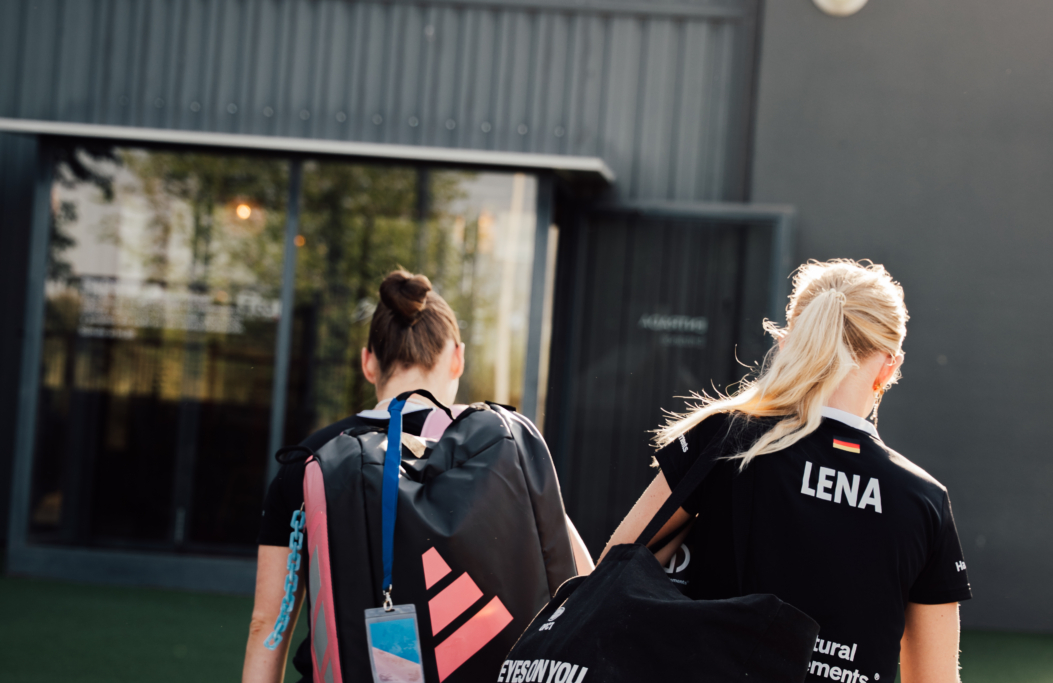
  • A padel racket – you can easily hire one from PadelCity.
  • Three fellow players. Or simply the community – you can quickly find suitable playing partners via the app.

And most importantly: you don’t need to be a tennis pro.

On the contrary. Many people who’ve never held a racket before are discovering their love of racket sports through padel.

Curiously enough, there are sports that don’t arrive with a great deal of fanfare. They creep up on you. First, a colleague mentions it. Then videos suddenly start popping up on your timeline. A friend cancels your tennis date because he’s “playing padel today”. And before you know it, you find yourself standing on a glass court, wondering why you didn’t discover this sport much earlier.

Padel is currently following precisely this path. What has long been a national sport in Spain and Argentina is now developing into a movement in Germany too. The number of courts is growing, as is the community. And with it comes the question that many are currently asking:

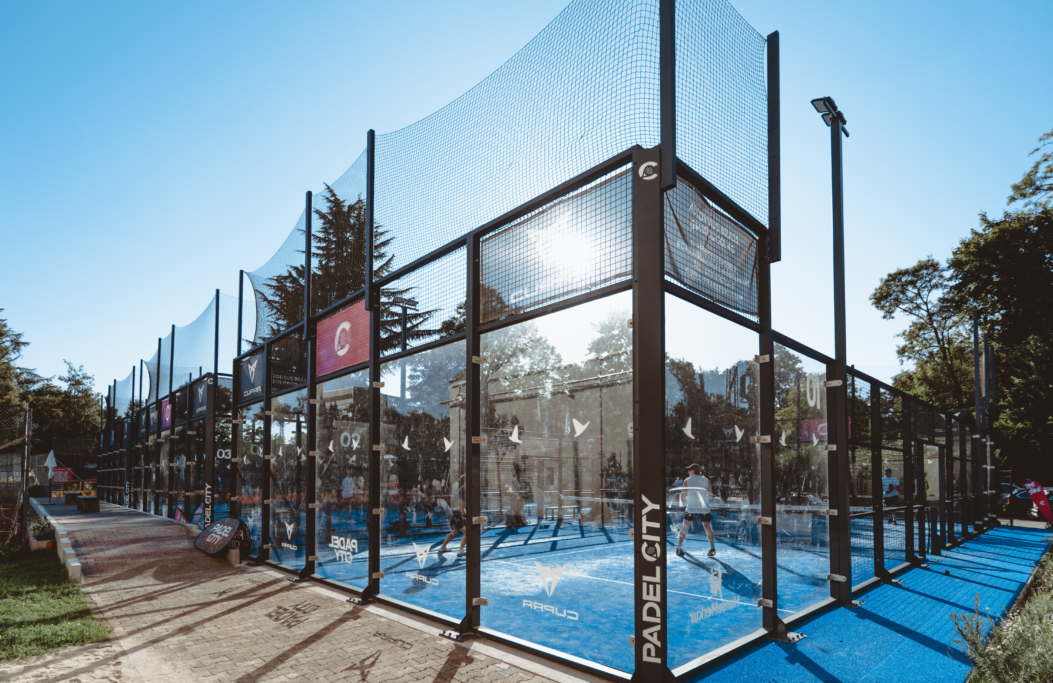
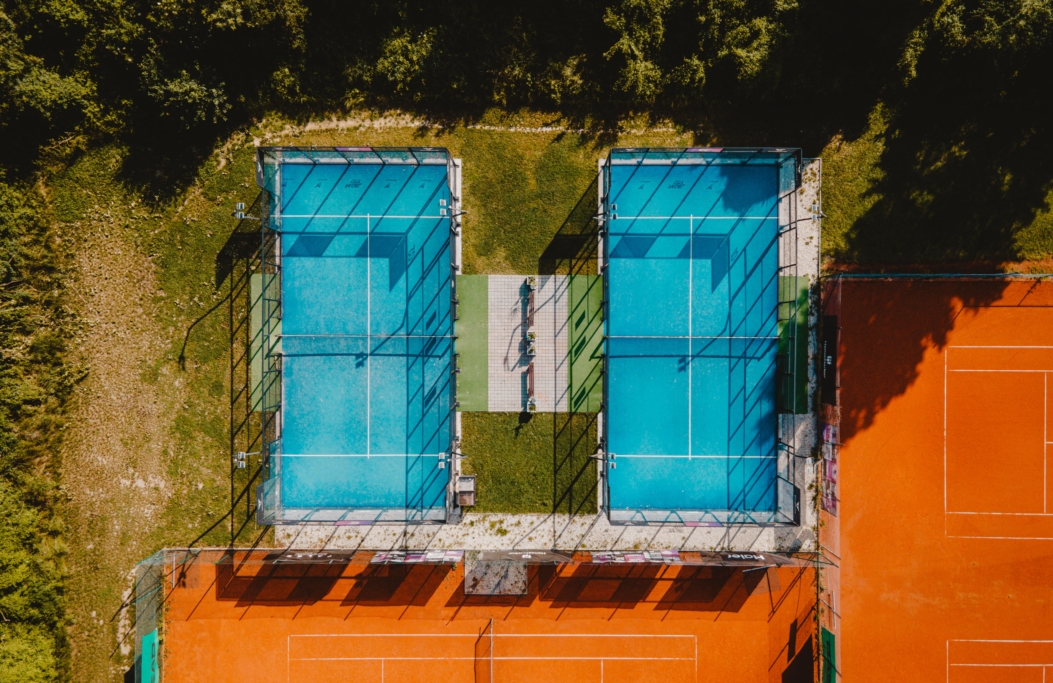
Padel is a mix of tennis and squash – but with a much lower barrier to entry and a high fun factor. It’s almost always played as a doubles game on a 20 x 10-metre court with glass walls and nets. The key feature: the walls are part of the game and can be used, much like in squash.

The rules are quick to explain, and players often manage their first rallies after just a few minutes. And that’s exactly what makes the difference.

Whilst other sports initially require patience, padel rewards its players from the very first stroke.

Why does padel inspire millions of people?

The figures speak for themselves. More than 30 million people worldwide now play padel. In Spain, there are already more padel players than tennis players. And in Germany, too, the sport is growing at an impressive rate.

But figures alone do not explain why people often book their next session straight away after their first one.

Padel has something that is difficult to measure: it makes you happy very quickly.

The court is smaller than a tennis court, the distances are shorter, and the rallies are longer. This leads to less frustration and more feelings of achievement. You play with each other rather than against each other, cheer each other on, laugh at missed shots and celebrate spectacular saves against the glass wall.

Padel is both competitive and communal.

A sport for everyone. Really. Perhaps that is precisely the secret to its success.

Padel requires neither years of experience nor perfect technique. Whether you’re in your early twenties or mid-sixties, whether you’re a sports enthusiast or getting back into the game: it won’t be long before you experience your first sense of achievement.

Children play with their parents. Friends play with friends. Work colleagues meet up after work. And people who didn’t know each other before often leave the court as new training partners.

Padel simply brings people together, regardless of age or playing ability.

When Enrique Corcuera wanted to build a tennis court on his property in Acapulco in the late 1960s, he probably had a lot on his mind. A global sports boom, however, was probably not one of them.

The problem was remarkably mundane: the court was simply not big enough.

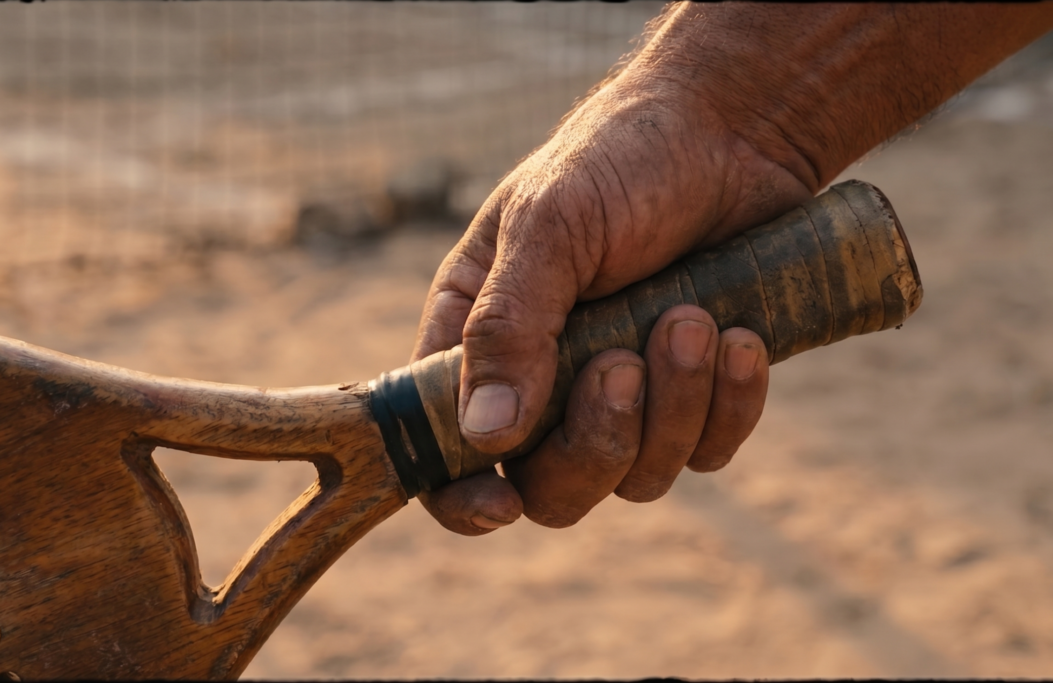
What today sounds like a scene from a Pixar film – ‘Man has too little garden and accidentally invents a new sport’ – was, back then, simply improvisation. Corcuera reduced the size of the court, erected walls around the area and adapted the rules to suit the circumstances. Not out of revolutionary ambition, but simply because reality is sometimes more creative.

Without realising it, the Mexican entrepreneur thus laid the foundations for a sport that, decades later, would captivate millions of people.

So the history of padel does not begin with a governing body, nor in a sports innovation lab, nor with a PowerPoint presentation. It begins with a pragmatic solution: a smaller court, surrounded by walls, on which longer rallies and a completely new playing experience develop.

And as is so often the case with good ideas, padel didn’t spread through major advertising campaigns. Instead, it spread through people who, after their first match, said:

“You absolutely have to give this a go.”

From Acapulco to the world

More than fifty years later, padel is played in over 90 countries. Millions of people take to the court week after week, new facilities are springing up at record speed, and Germany, too, is now experiencing what Spain discovered decades ago.

It’s true that sometimes the best stories begin with a problem. In this case, with a garden that was too small.

Perhaps that is precisely what is so wonderful about padel: that one of the world’s fastest-growing sports arose from the realisation that sometimes you simply have to make do with what you’ve got.

And that something quite big can come of it…

This is PadelCity This is PadelCity Some companies start with a business plan. PadelCity started with a passion. In the summer of 2022, the idea arose to open the first padel courts. Not with the aim of building a large company. Not with investor presentations or growth strategies. But out of a very simple desire: […]