
How a lack of space turned into a success story
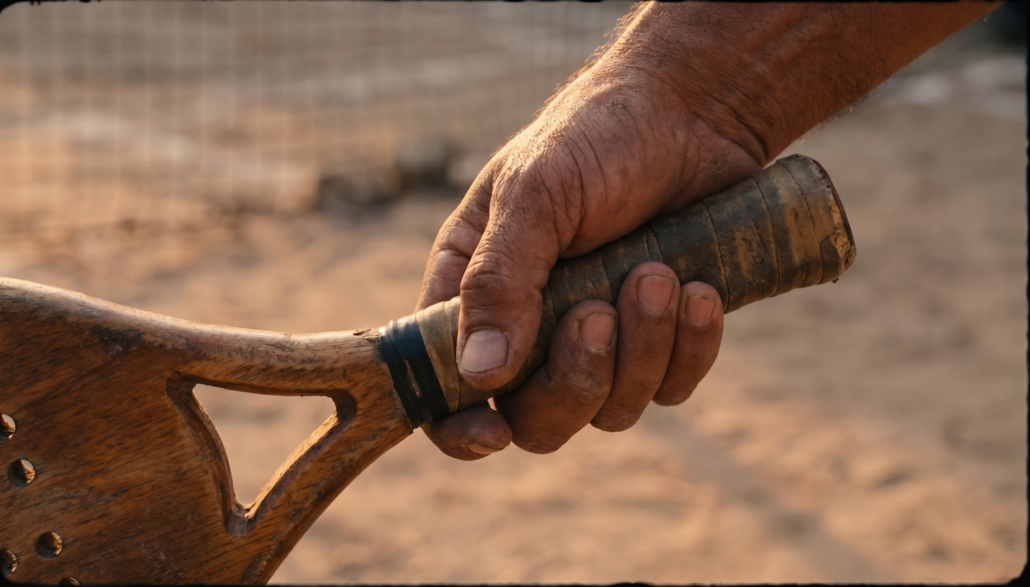
When Enrique Corcuera wanted to build a tennis court on his property in Acapulco in the late 1960s, he probably had a lot on his mind. A global sports boom, however, was probably not one of them.
The problem was remarkably mundane: the court was simply not big enough.
What today sounds like a scene from a Pixar film – ‘Man has too little garden and accidentally invents a new sport’ – was, back then, simply improvisation. Corcuera reduced the size of the court, erected walls around the area and adapted the rules to suit the circumstances. Not out of revolutionary ambition, but simply because reality is sometimes more creative.
Without realising it, the Mexican entrepreneur thus laid the foundations for a sport that, decades later, would captivate millions of people.
So the history of padel does not begin with a governing body, nor in a sports innovation lab, nor with a PowerPoint presentation. It begins with a pragmatic solution: a smaller court, surrounded by walls, on which longer rallies and a completely new playing experience develop.
And as is so often the case with good ideas, padel didn’t spread through major advertising campaigns. Instead, it spread through people who, after their first match, said:
“You absolutely have to give this a go.”
From Acapulco to the world
More than fifty years later, padel is played in over 90 countries. Millions of people take to the court week after week, new facilities are springing up at record speed, and Germany, too, is now experiencing what Spain discovered decades ago.
It’s true that sometimes the best stories begin with a problem. In this case, with a garden that was too small.
Perhaps that is precisely what is so wonderful about padel: that one of the world’s fastest-growing sports arose from the realisation that sometimes you simply have to make do with what you’ve got.
And that something quite big can come of it…


